
Creating a relaxing home environment is essential for unwinding after a busy day and promoting overall well-being. Your living space should feel like a retreat—a place where stress melts away and comfort takes center stage. Luckily, creating such an environment doesn’t require a complete overhaul or expensive furnishings. With a few simple tips and mindful choices, you can transform your home into a calming sanctuary.
In this post, we’ll explore practical and accessible ways to boost relaxation in your home. Whether you’re looking to improve your bedroom, living area, or any space in between, these ideas will help you create a soothing atmosphere.
1. Declutter and Organize Your Space
Clutter can contribute to stress and make it harder to relax. Start by tidying up your rooms and organizing belongings. Keep only the items you truly need or love. Use storage solutions like baskets, shelves, or bins to keep things neat and out of sight.
– Benefits: A tidy space helps clear your mind and creates a feeling of order.
– Tips: Take 10-15 minutes daily to straighten up a room, and designate places for frequently used items.
2. Choose Calming Colors and Textures
Colors have a powerful effect on mood. Opt for soothing shades to help induce relaxation:
– Soft blues, gentle greens, light grays, and warm neutrals are known for their calming properties.
– Avoid overly bright or stimulating colors in spaces meant for rest.
Incorporate cozy textures as well. Soft throws, plush rugs, and smooth curtains add warmth and comfort to your rooms.
3. Maximize Natural Light
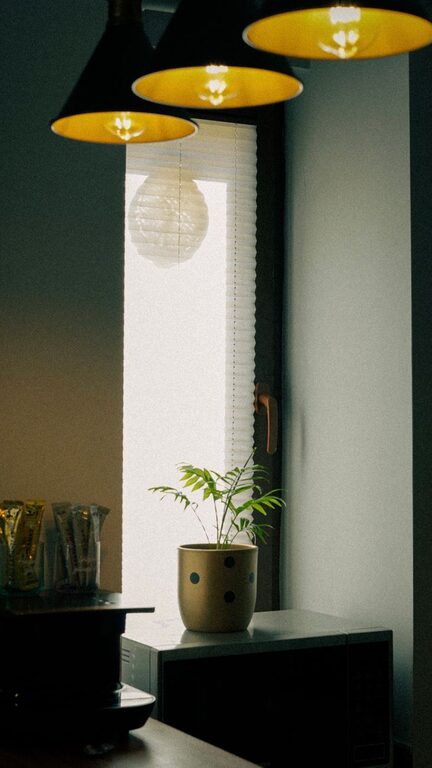
Natural light positively impacts mental well-being. Open curtains or blinds during the day to let sunlight fill your home.
– Rearrange furniture near windows to take advantage of daylight.
– Consider sheer curtains to maintain privacy while still allowing light.
If natural light is limited, use warm-toned lamps and LED bulbs that mimic daylight to create a cozy glow.
4. Add Greenery and Natural Elements
Plants bring life and freshness to any room. They also help improve air quality and create a peaceful vibe.
– Choose low-maintenance plants like snake plants, pothos, or succulents if you’re new to indoor gardening.
– Use natural materials, like wooden furniture, stone accessories, or woven baskets, to enhance the connection with nature.
5. Create a Dedicated Relaxation Zone
Designate an area of your home specifically for relaxation and self-care. This could be a cozy reading nook, a meditation corner, or a spot for gentle stretching.
– Equip it with comfy seating, soft pillows, and blankets.
– Add calming elements such as candles, essential oil diffusers, or a small fountain.
Having a go-to space encourages regular downtime and signals your brain to relax.
6. Manage Noise Levels
Excessive noise can disrupt calm. Consider these ways to manage sound:
– Use rugs, curtains, and upholstered furniture to absorb noise.
– Play soft background music or nature sounds to create a peaceful ambiance.
– Invest in noise-canceling headphones or white noise machines if outside noise is unavoidable.
7. Personalize Your Space with Meaningful Decor
Including décor that brings you joy can elevate your mood.
– Display photos, artwork, or objects that make you smile.
– Choose decorations that reflect your personal style without overcrowding your space.
Balance personalization with simplicity to maintain a peaceful atmosphere.
8. Establish Relaxing Routines and Habits
Your home environment supports relaxation, but cultivating calming habits enhances the effect.
– Light a candle or diffuse essential oils in the evening.
– Set technology boundaries, such as turning off screens an hour before bedtime.
– Practice gentle stretches or breathing exercises in your relaxation area.
9. Keep Temperature Comfortable
Temperature affects comfort and the ability to relax.
– Aim for a moderate room temperature — typically between 68-72°F (20-22°C).
– Use fans, humidifiers, or heaters as needed to maintain a cozy climate.
10. Maintain Clean Air Quality
Clean air promotes health and relaxation.
– Regularly ventilate your home by opening windows when possible.
– Use air purifiers or houseplants to reduce pollutants.
– Avoid strong chemical cleaners or fragrances that may trigger discomfort.
—
Taking small steps to improve your environment can greatly enhance your ability to relax at home. Prioritize simplicity, comfort, and personal touches that make your space feel just right. With these simple tips, you’ll create a haven that supports calmness and replenishes your energy every day.