
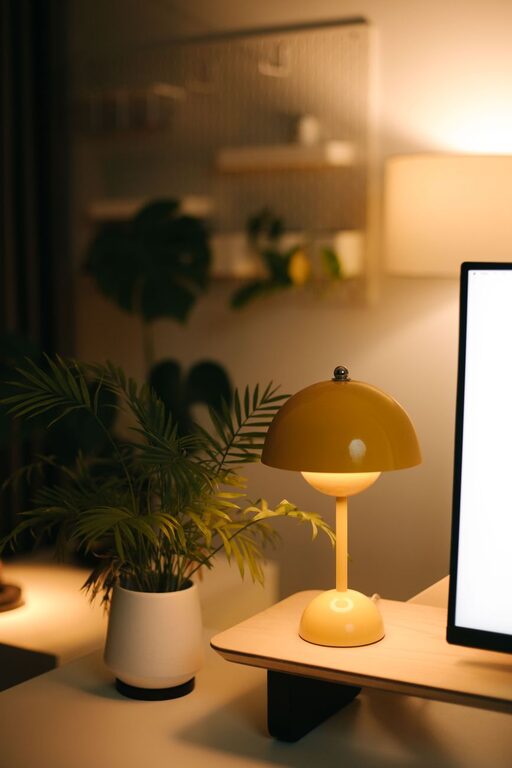
Creating a relaxing home office environment is essential for staying focused and maintaining well-being during work hours. Whether you work from home full-time or just need a quiet spot for occasional tasks, having a workspace that feels calm and inviting can make a big difference in your daily routine. In this post, we’ll explore practical tips to help you design a home office space that promotes relaxation and productivity.
Why a Relaxing Home Office Matters
Working in a stressful environment can hurt your concentration, motivation, and overall health. A calming workspace helps reduce anxiety, prevents burnout, and makes long hours more manageable. When you feel comfortable and relaxed, it’s easier to stay focused, think creatively, and complete tasks efficiently.
Choose the Right Location
Find a Quiet Spot
Select a part of your home that is away from noise and distractions if possible. Avoid high-traffic areas and places where family members or roommates gather frequently. This will help you maintain focus and create a separation between work and personal life.
Maximize Natural Light
If you can, position your desk near a window. Natural sunlight not only boosts mood but also improves alertness. Avoid direct glare on your computer screen by using sheer curtains or blinds to gently diffuse the light.
Invest in Comfortable, Supportive Furniture
Ergonomic Chair
An ergonomic chair is one of the most important investments. It supports your back, encourages good posture, and prevents discomfort during long hours of sitting.
Functional Desk
Choose a desk that fits your available space and suits your working style. A spacious surface allows for better organization and room for essentials like your computer, notebook, and coffee cup.
Create a Pleasant Atmosphere with Color and Decor
Choose Calming Colors
Soft, muted colors like light blues, greens, or neutrals can create a soothing environment. Avoid bright, overly stimulating shades that may increase stress.
Personalize with Art and Plants
Add personal touches with artwork or motivational quotes that inspire you. Including plants can improve air quality and add a splash of natural color, which may reduce stress and increase productivity.
Manage Clutter and Organization
Use Storage Solutions
Keep your desk clear by using shelves, drawers, or desk organizers. A tidy workspace minimizes distractions and helps maintain a clear mindset.
Develop a Filing System
Implement an easy system for managing papers, bills, and other documents. Digitalizing what you can will also reduce physical clutter.
Control Noise and Distractions
Noise-Canceling Headphones
If background noise is unavoidable, noise-canceling headphones can be a great investment. They help you focus or listen to calming music without interruptions.
Set Boundaries
Communicate your work hours and workspace boundaries with others in your home to minimize interruptions.
Enhance Lighting and Air Quality
Adjustable Lighting
In addition to natural light, make sure you have adjustable artificial lighting. Desk lamps with warm light can reduce eye strain in the evening.
Improve Air Circulation
Ensure good airflow by opening windows when possible or using air purifiers. Fresh air can help keep you alert and reduce fatigue.
Incorporate Relaxation Techniques
Break Reminders
Set timers or use apps to remind you to take breaks. Short walks, stretching, or deep breathing exercises can refresh your mind and body.
Comfort Items
Keep items like a cozy blanket, scented candles, or stress balls nearby to enhance relaxation during brief pauses.
Embrace Technology Wisely
Use Productivity Tools
Organize your tasks and time efficiently with apps or digital planners. However, avoid excessive notifications that might disrupt concentration.
Optimize Your Setup
Invest in reliable equipment such as a good monitor, keyboard, and mouse to reduce physical strain and technical frustrations.
Final Thoughts
Creating a relaxing home office environment doesn’t require a complete overhaul. Small changes like decluttering, improving lighting, and adding personal comforts can greatly enhance your workday experience. By designing a space that supports both focus and relaxation, you’ll find working from home more enjoyable and productive.
Start with a few tips that resonate most with you and build your ideal home office step by step. Remember, a comfortable workspace is key to a healthy work-life balance.